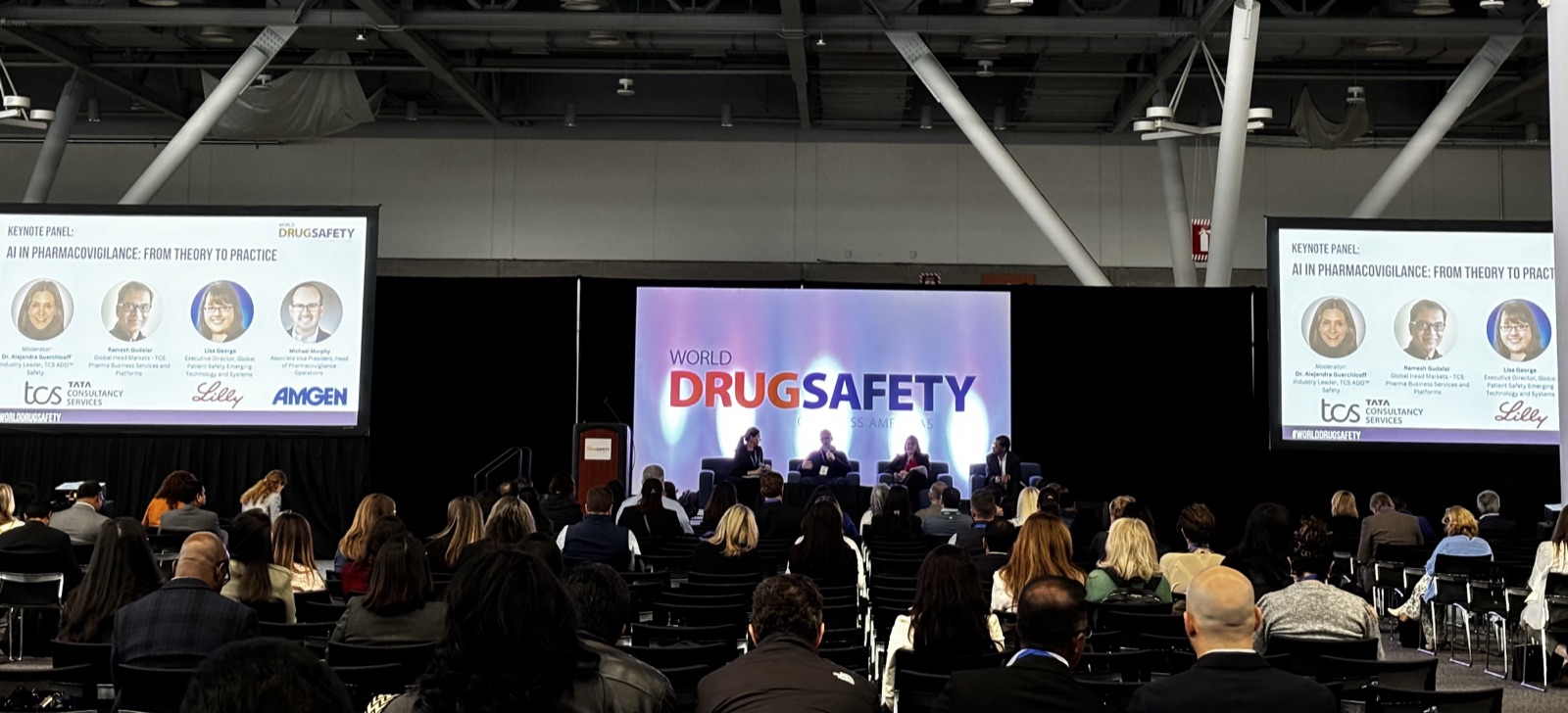
The World Patient Safety Congress 2024 (formerly World Drug Safety Congress Americas), held October 29-30, 2024 in Boston, MA, brought together over 1,700 industry leaders and stakeholders, making it the largest commercial gathering of pharmacovigilance professionals in the world. Being part of it was an experience I won’t forget.
Day One: Industry Connections and Conversations
The first day was all about conversations. I had the privilege of representing AWINSA Life Sciences where we welcomed professionals for in-depth discussions on pharmacovigilance, clinical safety, medical monitoring, medical writing, and medical affairs. The energy on the floor was electric; everyone was eager to share ideas, explore partnerships, and talk about where the field is heading.
If you stopped by to say hello, thank you. And if you didn’t get a chance, the second day was even better.
Day Two: Learning from the Best
The second day shifted to immersion. I attended sessions led by some of the sharpest minds in drug safety and regulatory affairs, and the breadth of topics was remarkable.
Key Themes and Takeaways
Evolving Pharmacovigilance Landscape The congress underscored how pharmacovigilance is rapidly transforming moving from reactive signal detection to proactive, data-driven risk management. Discussions covered how AI and machine learning are beginning to reshape adverse event processing, literature monitoring, and signal evaluation.
Global Regulatory Alignment A recurring theme was the need for greater international harmonization in drug safety reporting. Sessions highlighted the challenges of navigating overlapping regulatory requirements across ICH, EMA, and FDA frameworks, and the growing importance of real-world evidence in post-market surveillance.
Patient-Centered Safety The renaming of the congress from “World Drug Safety” to “World Patient Safety” reflects a meaningful shift in perspective, placing the patient at the center of every safety decision. Speakers emphasized the importance of patient-reported outcomes and direct patient engagement in signal detection and risk communication.
Medical Monitoring and Clinical Safety There were rich conversations around the role of medical monitors in clinical trials, how their work bridges scientific rigor with regulatory compliance, and why experienced medical oversight is critical to protecting trial participants and maintaining data integrity.
Medical Writing and Regulatory Submissions Sessions explored best practices in safety narrative writing, PSUR/PBRER preparation, and how clear, precise communication can make or break a regulatory submission.
The World Patient Safety Congress reminded me why I chose this field. The work we do in pharmacovigilance, regulatory affairs, and clinical safety directly impacts the lives of patients around the world. I’m leaving Boston with sharper knowledge, stronger connections, and a renewed commitment to contributing meaningfully to global healthcare.
Looking forward to applying these learnings, and to what comes next.

Comments